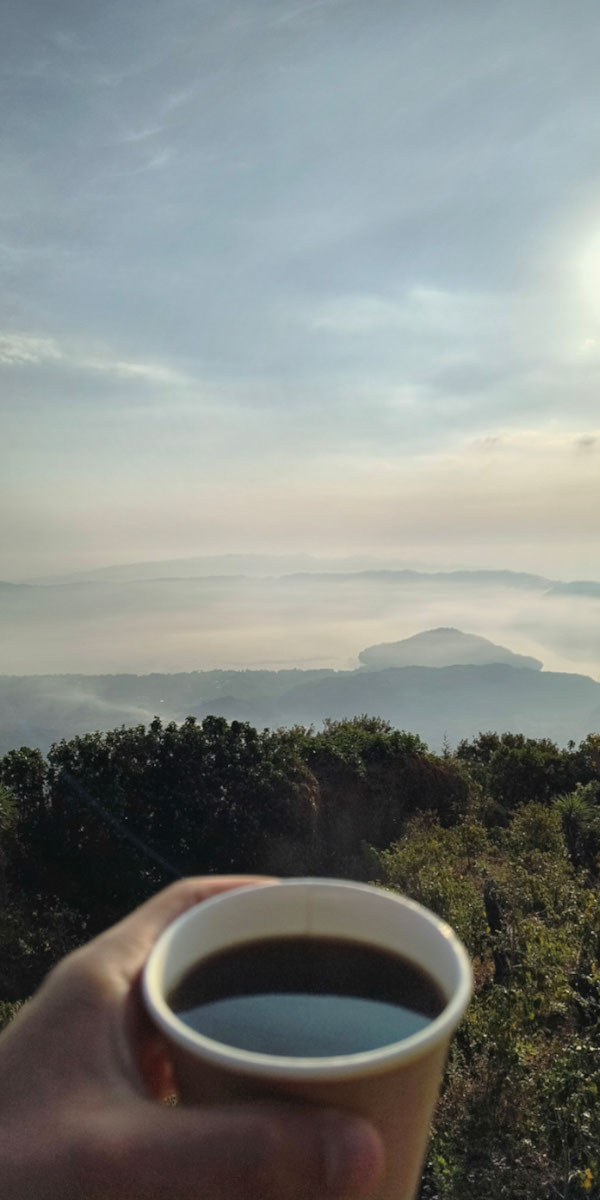
There’s something humbling about standing on the edge of a volcanic crater, wind in your face, clouds rolling below you, and the green-blue crater lake shimmering hundreds of meters down. That’s the reward that awaits at the summit of Santa Ana Volcano, also known as Ilamatepec, the highest volcano in El Salvador and one of the most iconic hikes in Central America.
If you’re planning to hike the Santa Ana Volcano in 2026, this updated guide offers not just practical advice but a vivid narrative of what to expect, how to prepare, and why this experience belongs on your Central American travel itinerary.

A Gateway to Adventure

Located within the scenic Cerro Verde National Park, the Santa Ana Volcano dominates the skyline of western El Salvador. Rising to over 2,300 meters, the volcano has long fascinated adventurers, nature lovers, and photographers with its raw volcanic energy and otherworldly beauty. It’s about a 90-minute drive from San Salvador, through a patchwork of coffee farms, misty forests, and small towns where life moves slowly and the views stretch endlessly.

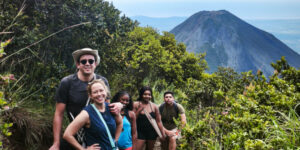
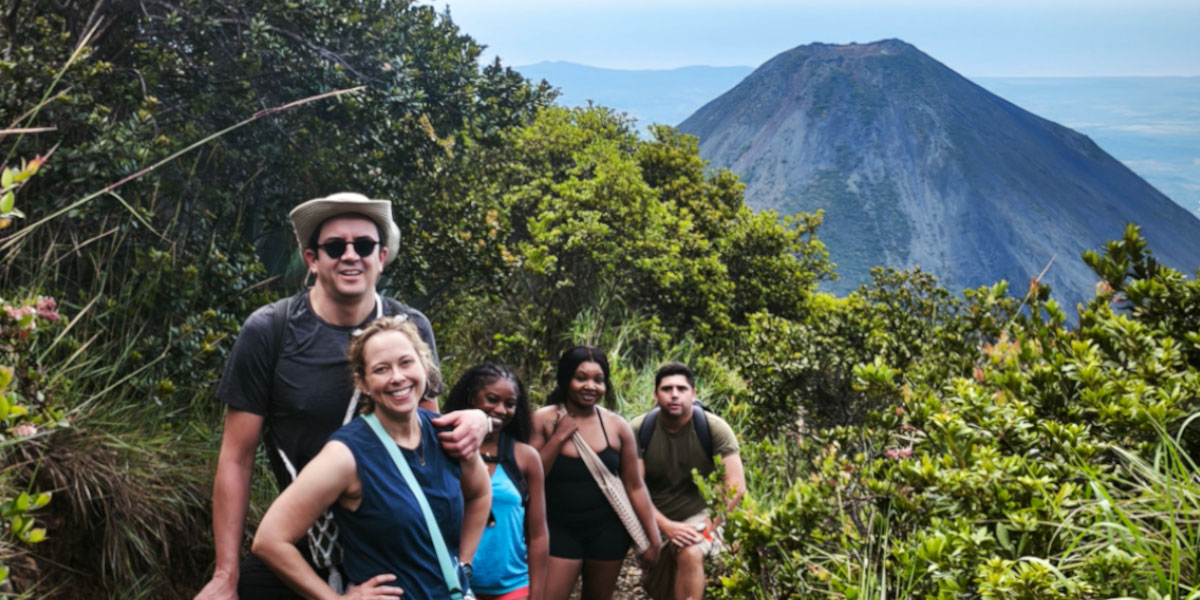
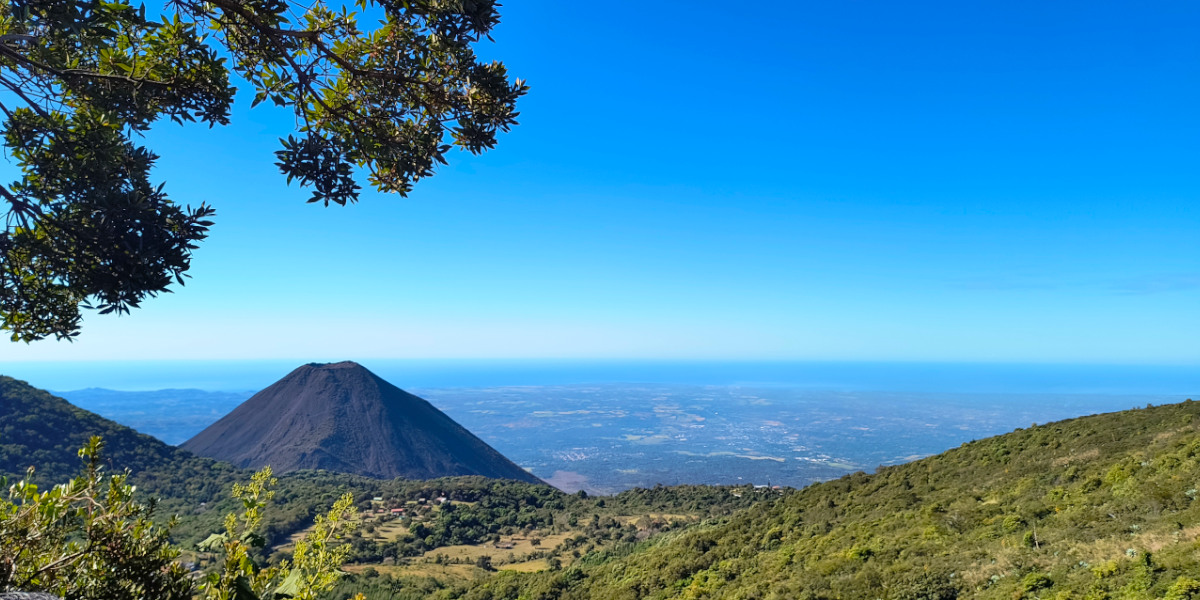
As you climb higher toward the national park, the road narrows, hugging the edges of forested hills. You pass by the dormant Cerro Verde Volcano, shrouded in mist, and spot the perfectly conical silhouette of Izalco Volcano on the horizon—a dramatic sight that sets the mood for the hike ahead.

Preparing for the Experience

While Santa Ana is considered a moderately difficult hike, preparation matters. The weather can be unpredictable. Morning sun can quickly give way to swirling clouds or sudden winds. The terrain varies—forest trails, gravel slopes, exposed rock—making good footwear and layered clothing essential.

Bring water. Bring a light snack. Most importantly, bring a sense of respect. The volcano isn’t just a tourist attraction—it’s an active, breathing part of the Earth, and the communities nearby hold it with reverence. Your guide might share stories about local legends, eruptions of the past, and how this volcano shapes not only the land but the culture.

The Start of the Hike

Most hikes to Santa Ana’s summit begin around 08:30 AM, starting from the visitor center at Cerro Verde. The mood is casual but buzzing with anticipation as travelers from around the world gather. Local guides brief the group, and there is often a light police escort to ensure safety—something that has become standard for hikes in the area.

The trail begins gently, weaving through wooded areas rich with native plants and volcanic soil. Early on, the canopy provides shade, and the air feels fresh and cool thanks to the elevation. But soon the trail becomes steeper, and the terrain shifts to open, dusty paths with loose rocks and volcanic gravel crunching underfoot.

As you climb, the views expand. Looking behind, you can spot Lake Coatepeque, shimmering like a blue mirror inside its own ancient volcanic crater. Further ahead, the landscape becomes more barren. Here, the wind picks up, and you begin to sense you’re reaching the edge of something wild and powerful.


Hiking the Santa Ana Volcano
Trail Santa Ana Volcao

Reaching the Crater

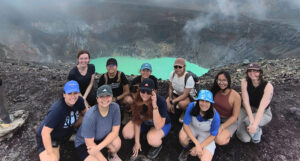
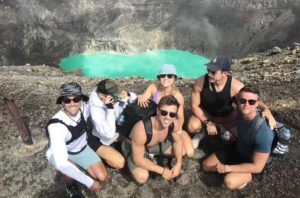
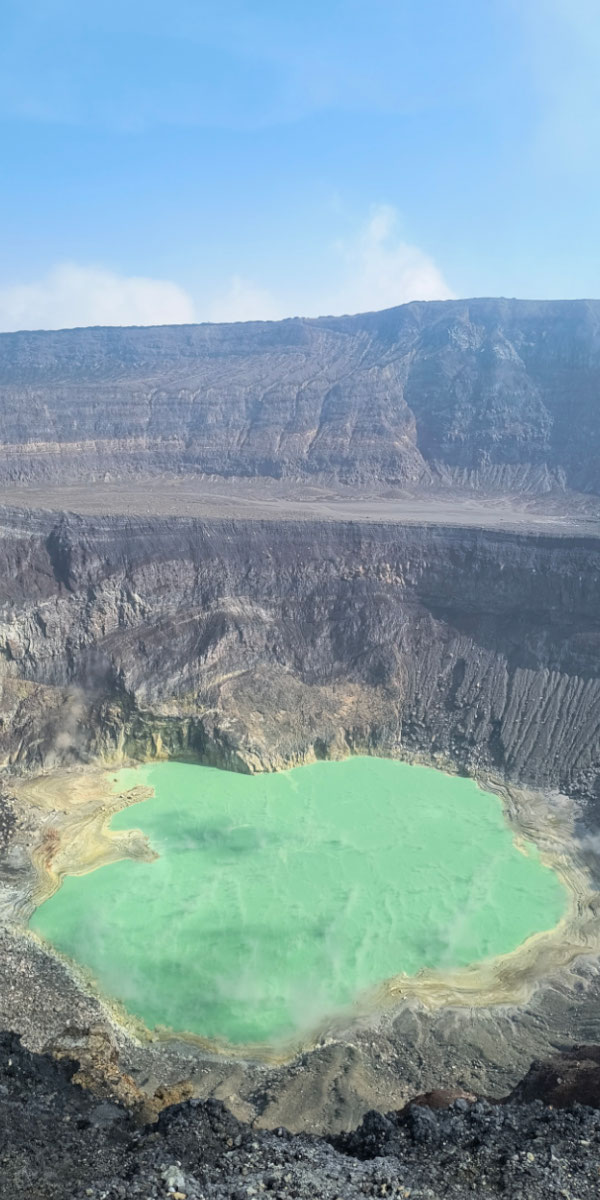
There’s a moment, just before the summit, when the path narrows, and you begin to see plumes of vapor rising into the sky. The crater appears suddenly, like a secret being unveiled. One more turn, and there it is—a surreal, turquoise lagoon nestled inside jagged volcanic rock, silent and smoking. It looks more like a set from a science fiction film than a real place.

You feel the cool wind rushing across the edge as you stare down into this alien-looking crater lake. The color shifts in the light—from green to blue to milky turquoise—depending on volcanic activity and sunlight. On a clear day, you can see the ridges that form the massive caldera, and beyond them, the silhouettes of the Guatemalan volcanoes on the horizon.

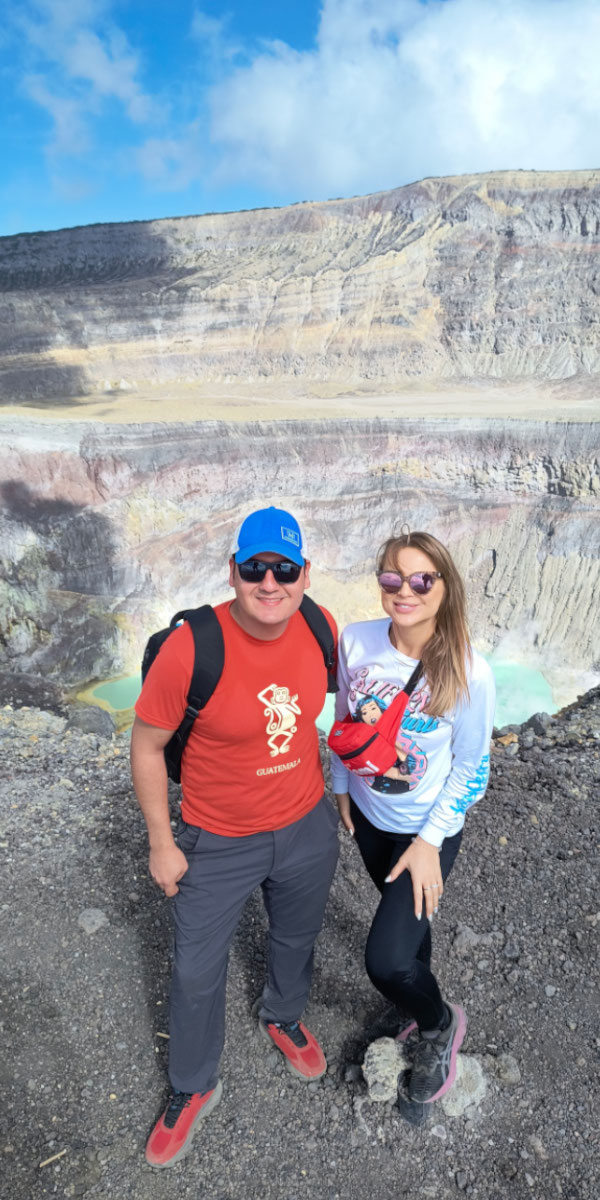
Travelers often spend 30 to 45 minutes at the summit, taking photos, eating snacks, or simply sitting in silence. It’s not just about reaching the top — it’s about being present in a place that feels both sacred and primal. The energy is raw. And yet, there’s a sense of peace.

how to hike Santa Ana volcano
Reaching the top of Santa Ana Volcano

How to Experience the Santa Ana Volcano Hike

There are several ways to enjoy this iconic trek, depending on your travel style, time, and budget:

  • Self-drive and local guide: Travelers with a rental car can drive themselves to the Cerro Verde park and join a group hike with a local guide arranged on-site. This is a flexible and affordable option, especially for those on a road trip.

  • Join a public group tour to Santa Ana Volcano: Many operators from San Salvador, Santa Ana, or El Tunco offer daily departures to Santa Ana Volcano. These tours usually include round-trip transport, park fees, and a guide. It’s ideal for solo travelers or those seeking a social, budget-friendly experience. Check the options here.

  • Book a private tour to Santa Ana Volcano: For those seeking more comfort, personalization, or time flexibility, private guided hikes are available. These often include hotel pick-up, flexible pacing, and sometimes additional stops like Lake Coatepeque for lunch or a swim. Check the options here.

  • Stay nearby and go early: Spending the night in Santa Ana city or along the Ruta de las Flores gives you a head start for the hike and the chance to explore more of the region at a relaxed pace.

  • Take public transportation from Santa Ana city: If you’re on a tight budget or traveling like a local, it’s possible to reach the volcano using public buses. From Santa Ana, take Bus 248 from the main terminal or near Parque Colón — it departs early in the morning and heads to Cerro Verde National Park. The journey takes about 1.5 to 2 hours. It’s important to leave early, as the group hike at the volcano begins mid-morning and the bus schedule is limited. Bring small change for the fare and confirm return times in advance.

santa ana volcano tour
Santa Ana Volcano Crater

After the Climb

The descent is faster but not without challenge. The loose gravel can make footing tricky, so take your time. When you return to the visitor center, a quiet sense of accomplishment sets in. Many choose to stop for lunch at a viewpoint near Lake Coatepeque, sipping a cold drink while looking back toward the very summit they just conquered.

Some travelers combine this hike with a visit to nearby towns along the Ruta de las Flores, while others head straight back to San Salvador or El Tunco for a well-earned rest. Wherever you go afterward, the memory of that crater, the wind, and the long, winding path will stay with you.

Why Santa Ana in 2026?

Because it’s not just a hike—it’s a pilgrimage to one of the most visually and spiritually stunning places in Central America. Because it connects you with the earth, with others, and with yourself. And because in a world that moves fast, standing still at the edge of a crater is exactly what you didn’t know you needed.

In 2026, let this be one of your defining travel moments. Hike Santa Ana. And let the volcano change you.